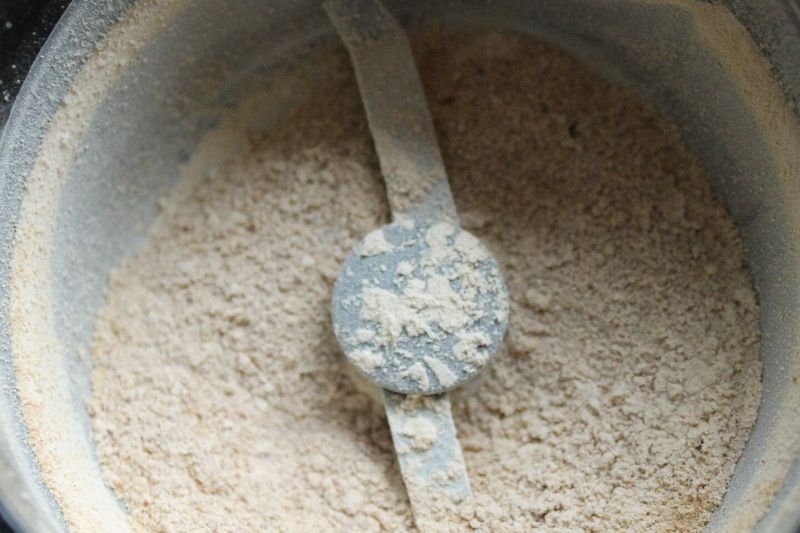
What makes the powder “authenticated”?
Every powder lot is milled from a single dried batch whose identity was confirmed before milling, by morphology and by ITS sequence. Nothing is blended across batches, and nothing is added. The certificate of analysis for the batch reports identity, moisture, particle size and the heavy-metal and microbial screens.
| Source | One Fresh-Dried batch, identity confirmed |
|---|---|
| Particle size | At least 95% passing 60 mesh (250 µm) |
| Additives | None. No carriers, fillers or flow agents |
| Moisture | Below 8% (loss on drying, 105 °C) |
| Packaging | Light-blocking barrier bag with silica gel |
| Documents | Batch certificate of analysis |
| Minimum order | 0.5 kg, in 0.5 kg steps |
When should I choose powder over dried slices?
Choose powder when you need replicate samples that behave the same: repeated extractions, method validation, calibration matrices or comparisons between solvents. Milling a whole batch evens out the difference between caps, stipes and individual fruiting bodies. Choose slices if you need to see tissue or want to mill to your own specification.
How is the powder milled?
Dried slices from one batch are milled in a knife mill, sieved at 60 mesh, and the oversize fraction is re-milled until it passes. The mill is cleaned between batches. Milling generates some heat, so the material is processed in short runs to keep it cool.
How should I weigh and store aliquots?
Fine powder takes up moisture quickly. Weigh aliquots in a dry room or glove box if you can, close the bag immediately, and keep it with the desiccant. For long series, split the bag into several sealed vials on day one so the main stock is not opened repeatedly. Record the batch number with every aliquot.
Wear gloves and avoid breathing the dust. Fungal powders can be irritating to the airways.