People search for Lanmaoa asiatica grow kits, spores and liquid cultures every week. The short answer is that none of them will give you mushrooms. Here is why, and what you can buy instead.
Is there a Lanmaoa asiatica grow kit?
No kit that works. Lanmaoa asiatica is ectomycorrhizal: it grows from the roots of living trees, mainly pines and oaks, and trades minerals for the sugars they make. A bag of sawdust or grain has no tree to feed it, so it does not fruit. We know of no published method for growing it indoors.
Oyster, shiitake and lion’s mane mushrooms feed on dead wood, which is why they grow happily in a kit on a kitchen counter. Boletes, chanterelles and truffles are different. Truffle growers plant inoculated oak saplings and wait years. Nobody has done even that commercially for Lanmaoa asiatica.
Do Lanmaoa asiatica spores or liquid cultures work?
They will not produce mushrooms. A spore syringe may contain spores of any bolete, or of nothing, and you cannot check by eye. Even genuine mycelium grows slowly on agar and stops there, because it still needs a host tree to fruit. Treat any listing that promises a harvest from spores as a red flag.
Can it be grown outdoors under pine trees?
In theory, by inoculating young pine seedlings and planting them where the climate matches: mild dry winters, wet summers, 1,500–2,600 m in Yunnan. Nobody has published a working protocol. Expect years of waiting and no guarantee that the right fungus takes hold rather than one already in the soil.
What can I buy instead?
The mushroom itself. We sell wild Lanmaoa asiatica fresh from 1 June to 31 October and dried or powdered all year, with a batch number and harvest date on every bag. Fresh costs $69.99 per kg and dried $210.99 per kg.
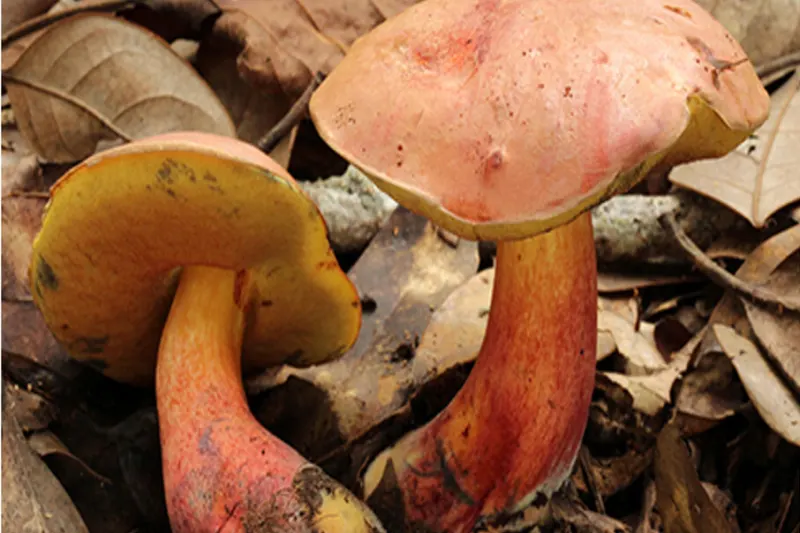 In season June–October
Fresh
Whole fruiting bodies, field-cleaned and chilled to 2–4 °C within 12 hours of picking.
$69.99 / kg
Select Fresh
In season June–October
Fresh
Whole fruiting bodies, field-cleaned and chilled to 2–4 °C within 12 hours of picking.
$69.99 / kg
Select Fresh
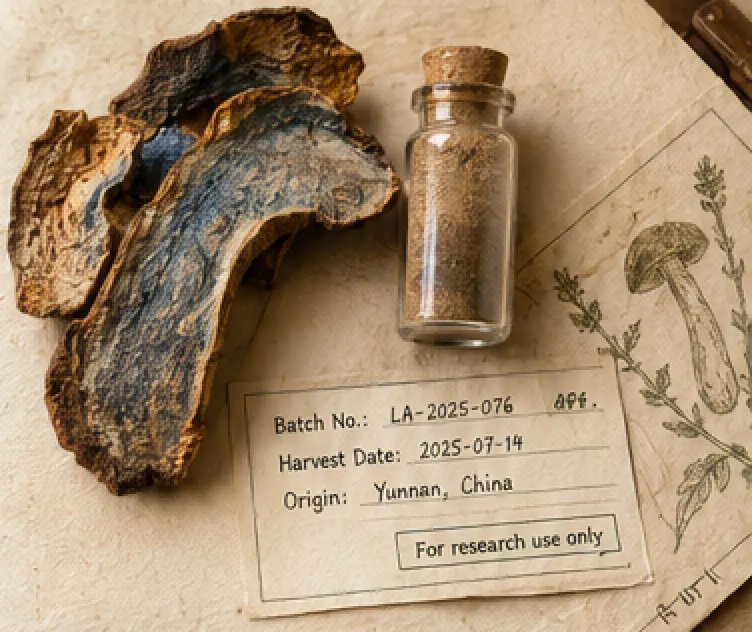 Fresh-Dried
Sliced 5–7 mm and dried at 45 °C to under 8% moisture. Sealed with desiccant.
$210.99 / kg
Select Fresh-Dried
Fresh-Dried
Sliced 5–7 mm and dried at 45 °C to under 8% moisture. Sealed with desiccant.
$210.99 / kg
Select Fresh-Dried
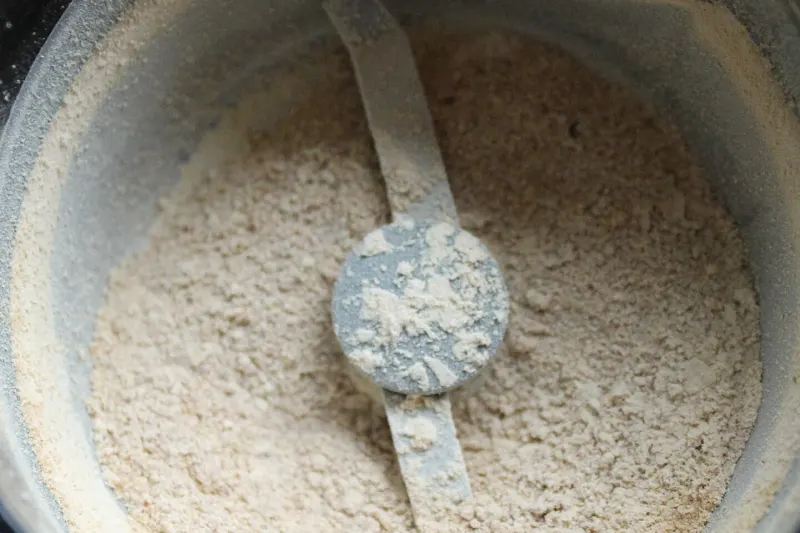 Batch COA included
Authenticated Research Material
Milled to pass a 60-mesh sieve, one batch per lot, with a certificate of analysis.
$109.00 / kg
Select Authenticated Research Material
Batch COA included
Authenticated Research Material
Milled to pass a 60-mesh sieve, one batch per lot, with a certificate of analysis.
$109.00 / kg
Select Authenticated Research Material
Researchers who want to isolate mycelium can start from fresh tissue: order Fresh in season and plate small pieces of inner flesh the day it arrives. See storing research samples for handling.